
Professional Teeth Whitening For Stained Teeth and Discoloration
Linda Greenwall is one of the leading specialists in the UK for tooth whitening, enamel disease and dental discoloration. Linda’s practice Dr Linda Greenwall and Associates is based in Hampstead, London. With more than 40 years of experience and as an international lecturer, she has patients from all over the world who draw upon her experience and expertise to get rid of tooth stains using MIH and Icon to achieve beautiful white pearly teeth.

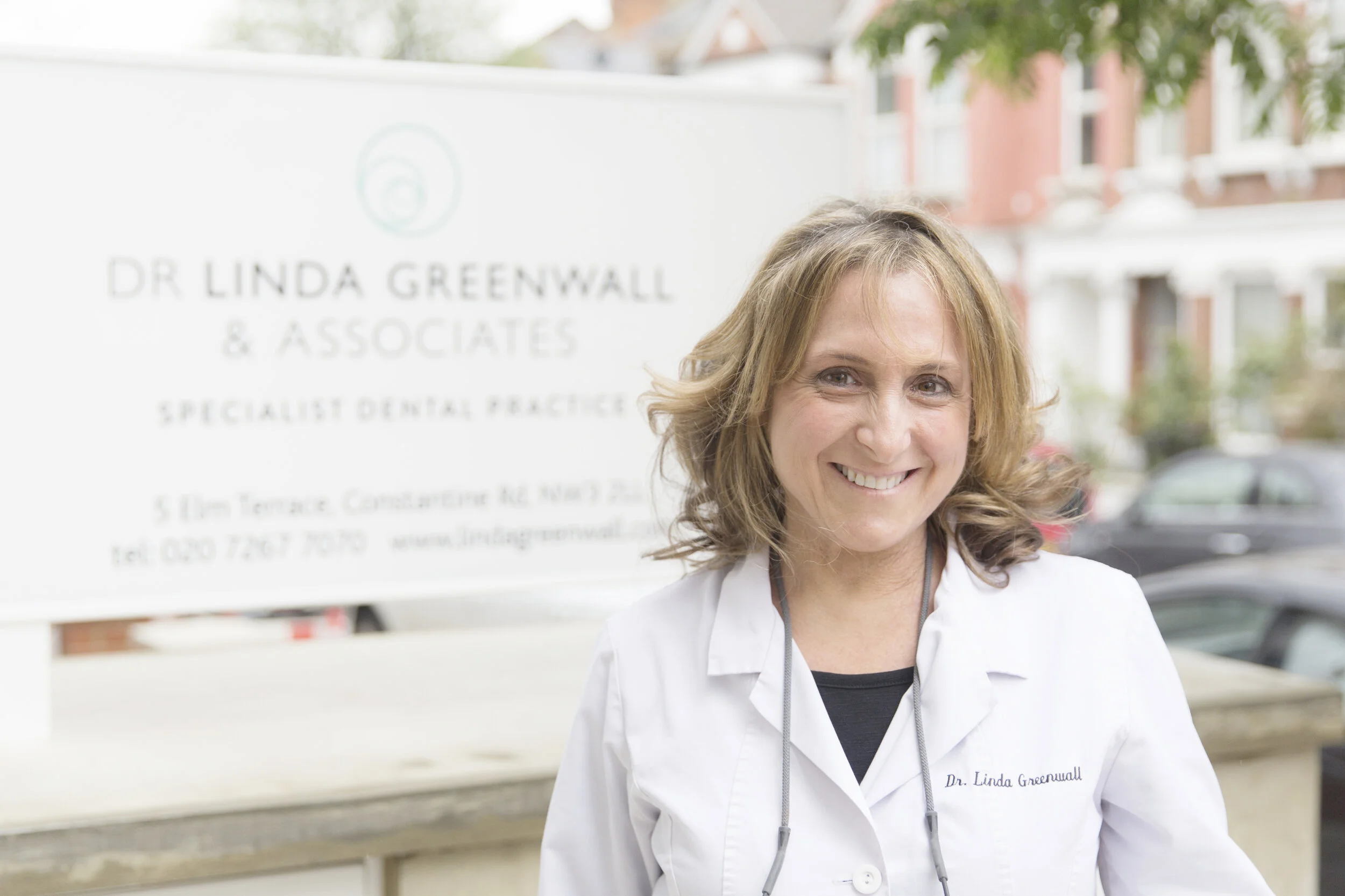
Dr Linda Greenwall
BDS, MGDS, RCS, MSC, MRD, RCS, FFGDP, FICD, BEM
How Does Linda Greenwall Remove Stains From Teeth?
Following an initial consultation, Dr Greenwall will diagnose the type and cause of tooth discoloration and provide a treatment plan which will help you to achieve a brighter smile.
All whitening treatment is carried out using specially designed trays that are unique to you, they are made by our dental technician and fitted by appropriately trained members of our dental team.
The tooth whitening gel is low strength carbamide peroxide, we only use products that have been extensively researched and safe for you to use at home following our instructions.
Speak to us about:
Dental stain removal
Tooth discoloration treatment
Discolour teeth treatments
Teeth staining treatment
Icon white spot treatment London
Remove white marks from teeth
Tooth whitening for stained teeth
Yellow teeth cleaning
Teeth whitening gels and trays
MIH
Tooth Whitening By Linda Greenwall
Before And Afters
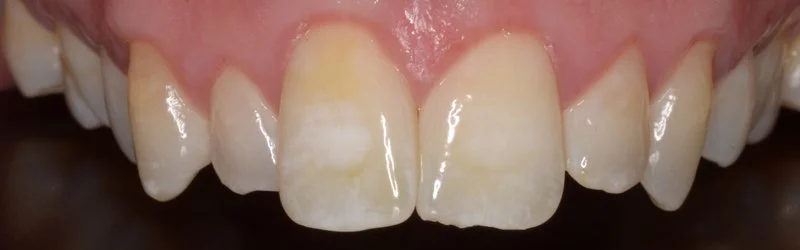
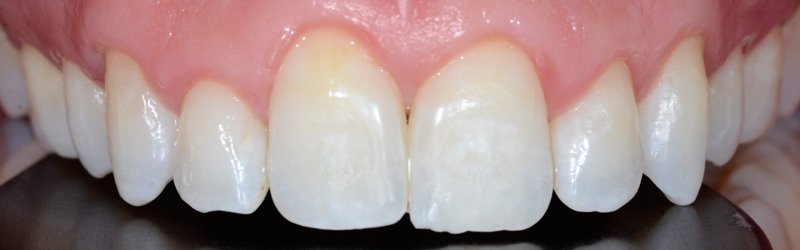
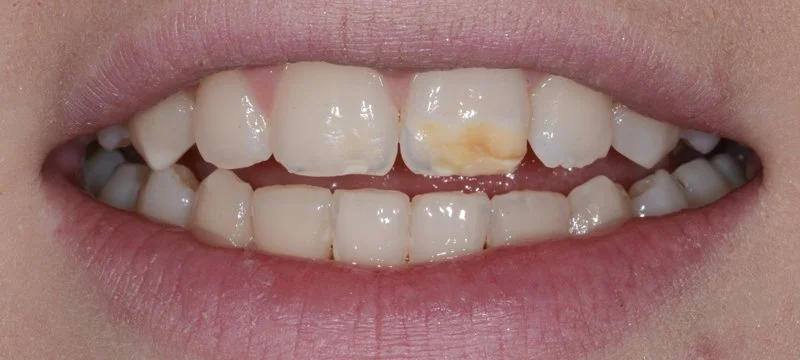
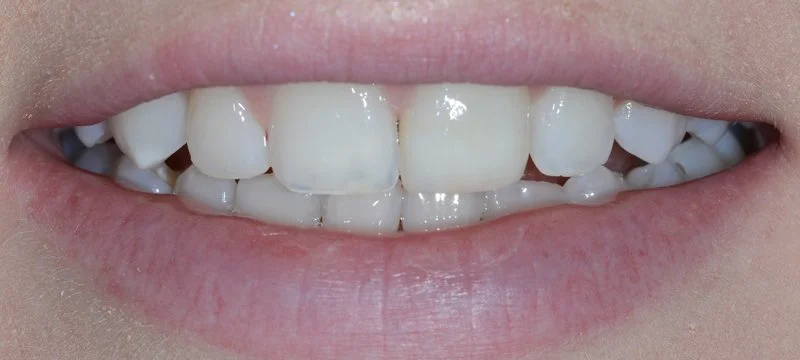
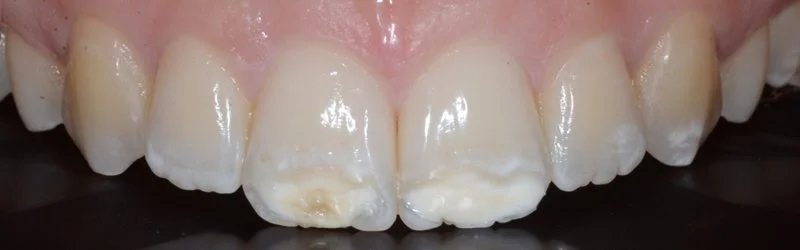
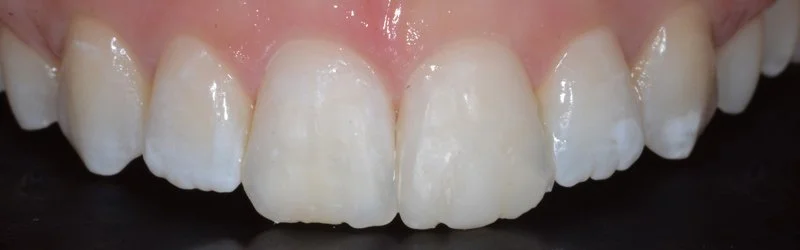
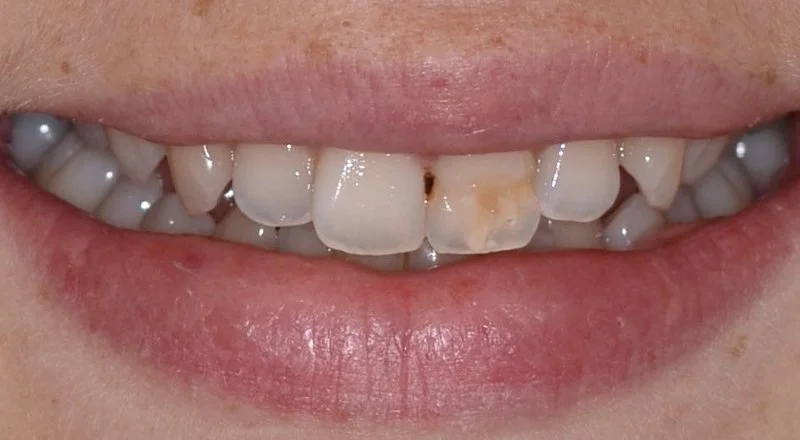
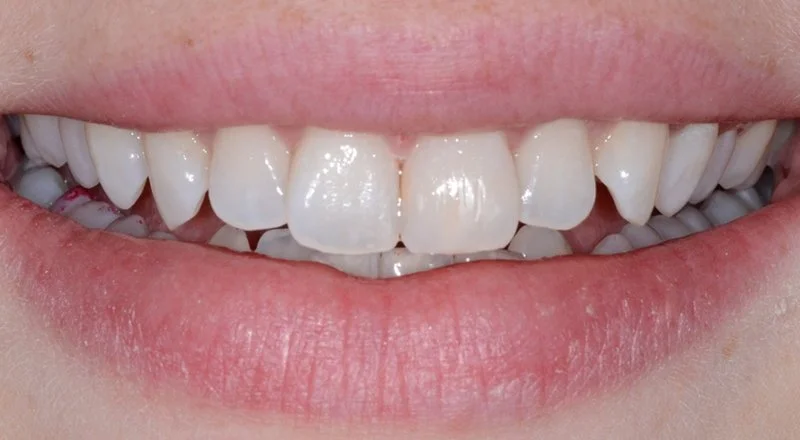
What Are Common Types of Tooth Stains and Discoloration We Treat?
Yellowing enamel - This is the most common cause of discolouration and is often related to diet, specific foods and drinks, ex-smokers and the colour of our teeth changes as we get older. Yellowing enamel is fairly easy to whiten at home in about 4-6 weeks. This type of treatment following the initial consultation can be carried out by a Dentist, Dental Hygienist or Dental Therapist.
Fluorosis - This is characterised by yellow, orange or brown stains on specific teeth, the enamel of the tooth might also look pitted and this could be caused by excessive fluoride (usually in drinking water) during the formation of teeth, known as fluorosis. The discoloration can be treated initially at home in approximately 2 - 4 months depending on the severity.
White Spots - Bright white spots are most noticeable on front teeth and can be associated with chronic infections, high temperatures and medications as a baby or young child, premature birth or low birth weight baby, all affecting how the enamel of the tooth forms. The white spots can be successfully treated following the protocols we have in place at home approximately 2 - 4 months depending on the severity.
Discolouration From Tetracycline - Tetracycline is a commonly prescribed antibiotic often used for treatment of acne and other skin conditions but causes discolouration. Patients with this type of staining range from mild to severe discolourations which can vary in colour from grey, blue, yellow and brown.
The colour and pattern of discolouration depends on the type of medication, dosage and duration, relating to when the teeth were forming.
A desirable result can be achieved for patients with Tetracycline staining by completing the treatment at home for anything up to 6 months depending on the severity.
Single Dark Tooth - A tooth can become discoloured due to trauma to a tooth, such as falling off a bike as a child or sporting injuries. Initially, it is important to determine if the tooth is alive (vital) or dead (non-vital) before treatment can be recommended.
If the tooth is alive, home whitening in stages is carried out, first with a tray and gel that will concentrate the gel on the discoloured tooth, once this tooth matches the other teeth, a new tray is used to whiten all the teeth.
What Treatments Do We Carry Out For Tooth Staining and Discoloration?
Internal Bleaching
Front teeth that have been root filled and can become discoloured over time. Internal bleaching can be carried out by placing a higher strength carbamide peroxide gel inside the tooth. The gel needs to be replaced every 2 weeks until the colour of the tooth matches. This procedure is carried out by our Endodontist Dr Jude Ferreira.
MIH
Molar Incisor Hypomineralisation (often shortened to MIH) treatment is about managing and protecting teeth that have not developed properly and are weaker than normal. It usually affects first permanent molars and sometimes front teeth, making them sensitive, discoloured, and more likely to break or get decay.
The treatment includes using special fluoride varnishes to strengthen the enamel, placing protective sealants or white fillings, and giving advice on brushing with the right toothpaste for sensitive teeth.
Microabrasion
Teeth with white spots or severe discoloration such as fluorosis, often require further treatment once the whitening treatment is completed.
Microabrasion can be carried out to fade and smooth the last of the white spots or defects. A purple glittery paste is applied and polished onto the tooth surface, this procedure is repeated several times in one visit, multiple visits may be required to achieve the desired result.
Icon White Spot Treatment
Resin infiltration is a minimally invasive restorative procedure which helps fade/mask white-spot lesions found on teeth. These lesions manifest as white spots and typically arise due to enamel defects, trauma, or infection in primary teeth. They result from reduced calcium and ion access to deeper enamel layers, culminating in white spots on the tooth’s surface.
The enamel is treated with an alcohol gel to prepare the surface of the tooth, then a resin is infiltrated into the enamel to mask/seal over the white spot. The treatment is safe and minimally invasive.
The treatment is normally combined with home whitening first to help improve the over base shade first.
How Much Does Tooth Staining Treatment Cost?
We consider every patient to be unique and are able to offer personalised quotes for every customer. Simply enquire below to see how much your teeth whitening treatment will cost.
Why Choose Linda Greenwall for Teeth Staining Treatment in London?
Linda Greenwall has a special interest in tooth whitening, researching and treating patients with tooth discolorations since 1991. Dr Greenwall has written several textbooks and teaches on the subject in the UK and internationally.
Our programmes and protocols are based on extensive research carried out by Prof van Haywood, ensuring safe and effective treatment to achieve long lasting results.

Dr Linda Greenwall
BDS, MGDS, RCS, MSC, MRD, RCS, FFGDP, FICD, BEM
Interested in Tooth Staining Treatment in London?
Here’s Where To Find Us
We are located on Constantine Road in the heart of Hampstead in North London. Our practice is just a one-minute walk from Hampstead Heath Overground station, making us convenient for any patients visiting us in Central or North London and via the tube. We are only ten minutes by foot or car from Golders Green, Hampstead Garden Suburb, Hampstead Heath, Kentish Town, Gospel Oak and Highgate - and have on-site parking available for patients.
Start your teeth whitening journey today by calling us today on 020 7267 7070 or book an appointment online.
FAQs
-
In most cases, treatment for tooth staining or discolouration is considered cosmetic and is not available on the NHS. The National Health Service generally only provides dental treatment that is clinically necessary to maintain oral health. As a result, procedures such as professional teeth whitening, stain removal for cosmetic reasons, or other aesthetic treatments are usually carried out privately.
-
The length of treatment depends on the type of staining and the method used. Simple surface stain removal during a hygienist visit can often be completed in a single appointment lasting around 30–60 minutes. Professional whitening treatments may take one in-clinic session of about an hour, or 1–2 weeks if you are using custom trays at home. More advanced cosmetic treatments may require multiple appointments.
-
Most tooth stain removal and whitening treatments are comfortable and minimally invasive. Some patients may experience temporary sensitivity during or shortly after whitening treatments, but this usually settles within a few days. Dentists often use specially formulated gels or recommend sensitive toothpaste to help reduce discomfort.
-
Teeth whitening can significantly improve the brightness of your smile, but the results are not permanent. Over time, teeth can gradually become stained again from foods, drinks, smoking, and natural aging. Maintaining good oral hygiene, limiting staining foods and drinks, and having occasional top-up treatments can help keep your teeth looking whiter for longer.
-
During our assessment, we may present other treatments or options such as dental implants, composite bonding or veneers to restore or replace missing or damaged teeth.